



How Covering College Sports Associations Can Launch an HBCU Journalism Career
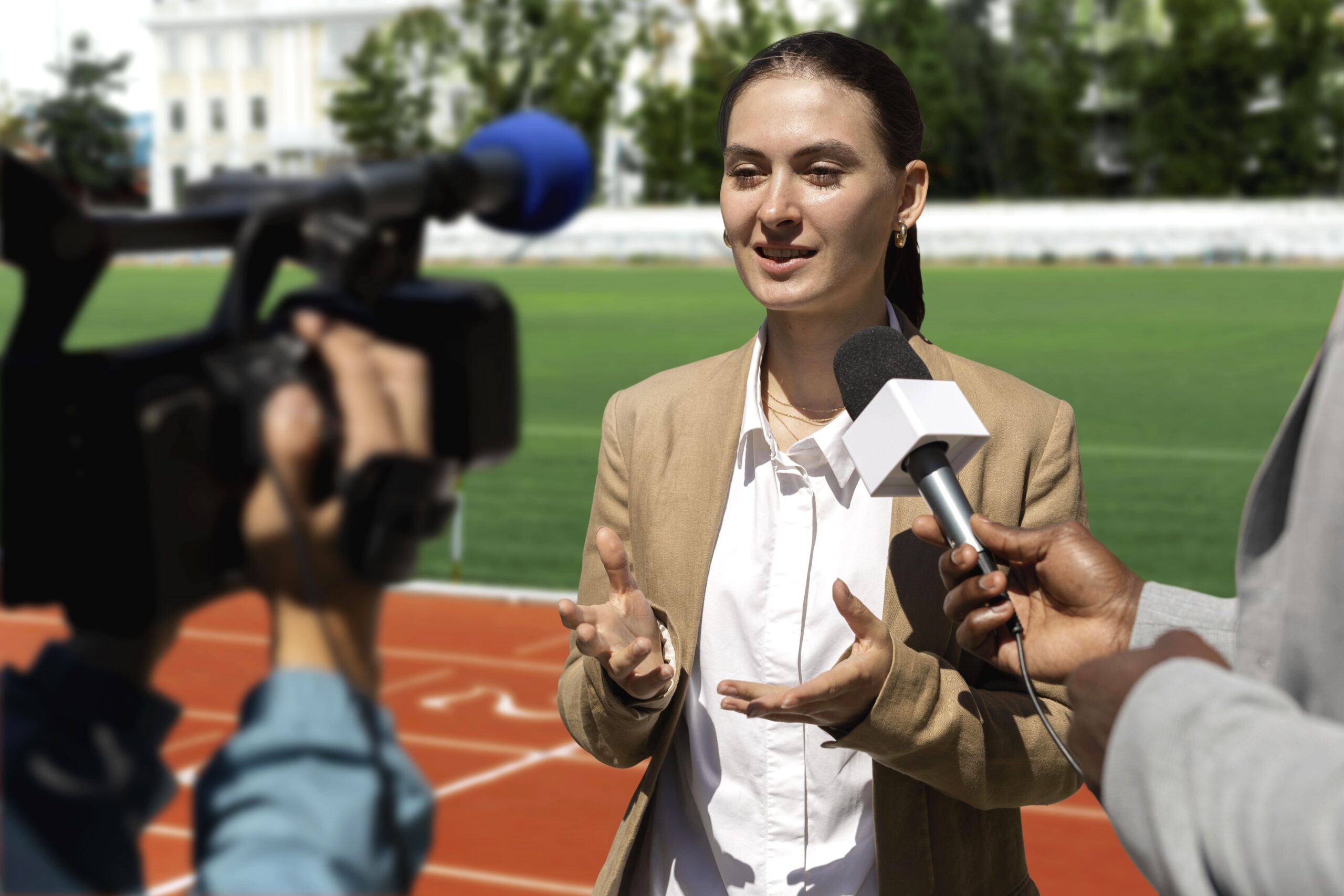
There is a moment familiar to almost every student journalist at a Historically Black College or University: you are sitting in the press box, press credential around your neck, notebook in hand, watching your school’s team compete — and you realize that what you are doing matters. Not just to you, but to the athletes, the alumni, the community. You are the one telling their story.
Sports journalism has long been one of the most accessible entry points into professional media, and for HBCU students in particular, the beat of college sports associations offers something even more valuable: a training ground where the stakes are real, the access is genuine, and the audiences are deeply invested. From the Southwestern Athletic Conference to the Mid-Eastern Athletic Conference, the athletic ecosystem surrounding Black colleges is rich, competitive, and chronically undercovered by mainstream media — which means HBCU journalists who work this beat are not just finding their voice. They are filling a gap the industry desperately needs filled.
This article is a guide for HBCU students who want to use sports journalism — specifically the coverage of collegiate athletic associations — as a launchpad for a lasting media career. And for those balancing a demanding dual path, such as nursing and journalism, a reliable nursing essay writing service can help manage the academic workload, freeing up the time and mental bandwidth needed to chase stories, meet deadlines, and build the portfolio that gets you hired.
Why Sports? Why College Sports Associations Specifically?
Sports journalism teaches you to work fast, write clearly, and handle pressure — all under deadline. But there is a reason that covering college sports associations in particular is such a powerful career accelerator. These organizations govern the structure, rules, eligibility, and competition schedules of thousands of student athletes across hundreds of institutions. Reporters who understand how they operate have access to institutional power, policy debates, financial decisions, and human stories all at once.
At the national level, bodies like the NCAA set the rules that define amateurism, scholarships, and athlete rights. But the story gets more interesting — and more personal — at the level of individual college sports conferences. These are the organizations that directly shape the competitive lives of HBCU athletes and the institutional identities of Black colleges. For a student journalist, understanding the difference between a Power Five conference and a historically Black athletic conference is the difference between surface-level coverage and journalism that actually informs.
For students coming from different educational or cultural backgrounds, stories about migrant students in America can also offer useful context on how identity, opportunity, and access shape the college experience.
Understanding the Landscape: Collegiate Athletic Associations and HBCU Conferences
Before you can cover the beat effectively, you need to know the terrain. Collegiate athletic associations operate at multiple levels. The NCAA is the largest and most prominent, overseeing more than 1,100 member schools across three divisions. The NAIA (National Association of Intercollegiate Athletics) serves a different tier of schools, including several HBCUs. The NJCAA covers junior and community colleges. Each body has its own rulebook, championship structure, and ongoing policy debates — all of which generate news.
Within those larger bodies, college athletic conferences are where the day-to-day competitive life happens. For HBCUs, two conferences stand out above the rest:
- The Southwestern Athletic Conference (SWAC) — often called the best college conference all sports in the HBCU world — includes schools like Grambling State, Southern University, and Prairie View A&M. It is known for elite football, competitive basketball, and the iconic Bayou Classic.
- The Mid-Eastern Athletic Conference (MEAC) serves HBCUs on the East Coast, with members including Howard University, Florida A&M, and North Carolina A&T. Its football championship game, the Celebration Bowl (played against the SWAC champion), is one of the most watched HBCU events of the year.
Beyond football, these college sports leagues field competitive programs in basketball, track and field, softball, tennis, and more. Each sport, each season, each championship creates a cycle of stories waiting to be told — and mostly being missed by the mainstream press.
The Skills You Build Covering College Sports Conferences
Covering college sport conferences is not just about writing game recaps. The beat demands a surprisingly wide range of journalistic skills, all of which transfer directly to professional media careers.
Game-Day Reporting and Real-Time Writing
There is no better training for deadline pressure than game-day sports coverage. When the final buzzer sounds, you have minutes — sometimes seconds — to file a coherent, accurate story. Students who cover college athletic conferences learn to write on deadline faster than almost any other journalism beat. That skill travels everywhere: breaking news, live politics coverage, daily financial reporting. For HBCU students balancing a dual path in nursing and journalism, knowing where to find reliable help with nursing assignments means more mental bandwidth freed up to chase stories, meet deadlines, and sharpen the reporting skills that define a lasting media career.
Students who are also pursuing healthcare studies can strengthen their professional experience through nursing internships, which provide another setting for learning how to communicate clearly, work under pressure, and build a credible resume.
Developing Investigative Instincts Through Institutional Coverage
College sports associations are institutions with budgets, bylaws, internal politics, and power structures. When you start covering them as a student reporter — attending press conferences, reading eligibility reports, tracking scholarship allocations — you are essentially learning how to cover any large institution. A student journalist who digs into why an HBCU athletic program lost conference funding, or how a new NCAA transfer portal rule affected SWAC rosters, is learning investigative skills that apply directly to city hall, corporate journalism, and beyond.
Human Storytelling at Its Most Vivid
The athlete profile is one of journalism’s most enduring formats for good reason: it works. Covering college sports leagues means consistent access to compelling human subjects — young people navigating academic pressure, athletic ambition, financial uncertainty, and the weight of representing their schools and communities. For HBCU student journalists, there is an additional layer: these athletes often share the reporter’s cultural background, which creates space for deeper, more honest storytelling than most mainstream sports media ever achieves.
How to Build a Portfolio That Opens Doors
Editors and recruiters at national sports media outlets — ESPN, The Athletic, Bleacher Report, Sports Illustrated — are not just looking for great writing. They want to see range, initiative, and demonstrated understanding of how college sports associations work. Here is how to build a portfolio that shows all three.
Start With Your Campus Paper and Go Deep
Black College Wire aggregates student journalism from HBCU campus newspapers across the country — outlets like The Hilltop at Howard, The Famuan at Florida A&M, and The Gramblinite at Grambling State. Getting published in your campus paper is step one. Going deep is step two. Don’t just cover the game score. Cover the conference standings. Cover the budget. Cover the coach’s contract. Cover the athlete who just transferred in from a Power Five school and what that means for your team’s roster within SWAC competition.
Pitch Stories That Only You Can Tell
National editors are actively looking for HBCU sports coverage they are not getting. Pitch stories about how college sports conferences serving HBCUs are navigating the NIL (Name, Image, and Likeness) era differently than Power Five programs. Pitch the Celebration Bowl as a cultural event, not just a football game. Pitch the MEAC’s challenges in retaining top recruits when Power Five schools come calling. These are stories with national relevance that only an HBCU student journalist — embedded in the community — can tell with authority.
Leverage Black College Wire and Similar Platforms
Black College Wire exists precisely to amplify the work of HBCU student journalists and connect them to professional opportunities. Getting your sports coverage published through or recognized by the platform puts your byline in front of editors, journalism trainers, and potential employers who specifically value HBCU media talent. Treat it as both a publishing outlet and a professional network.
When deadlines pile up, a few well-chosen short nursing quotes can also provide quick motivation for students balancing demanding academic and professional goals.
Career Paths That Open Up From the Sports Beat
Students who build serious experience covering college sports associations do not just become sports reporters. The beat is a launching pad for several professional directions.
- Sports Media and Broadcasting — Television and digital sports networks actively recruit reporters with deep knowledge of college athletic conferences and demonstrated experience covering game-day events.
- Investigative and Policy Journalism — Understanding how collegiate athletic associations govern their member schools provides a direct pathway into investigative work on education, labor rights, and institutional accountability.
- Athletic Communications and PR — Many HBCU athletic departments need communications professionals who understand both the conference landscape and the cultural context of Black collegiate sports.
- Founding Independent Media — Some of the most exciting sports journalism today is happening at independent outlets built by journalists who started on a campus beat and found an underserved audience no one else was serving.
Students interested in building their own media project or independent outlet may also benefit from learning how expert digital solutions for your business can support publishing, audience growth, and online visibility.
Conclusion
The sports beat at an HBCU is not a minor league assignment. It is one of the richest, most skills-intensive, and most professionally valuable beats available to any student journalist — and for those willing to go beyond the box score, it offers something rare: access to stories that are genuinely underreported, audiences that are deeply loyal, and a cultural vantage point that mainstream media consistently fails to occupy.
College sports associations — from the national bodies that set the rules to the individual college sports conferences that define competitive life on Black campuses — are institutions full of policy, power, and human drama. Student journalists who learn to cover them well are not just building clips. They are building the instincts, relationships, and credibility that define a long career in media.
For students balancing journalism with demanding healthcare coursework, professional nursing writing help can make it easier to manage academic responsibilities while continuing to build reporting experience.
Write the game recap. Then write the investigation. Then pitch it nationally. The door is open — and this beat is one of the best ways to walk through it.
Trusted Sources
- NCAA — Official governance body for collegiate athletic associations, with data on member schools, divisions, and policy updates. (https://www.ncaa.org)
- Southwestern Athletic Conference (SWAC) — Official site for one of the premier college athletic conferences serving HBCUs. (https://theswac.com)
- Mid-Eastern Athletic Conference (MEAC) — Official site for the MEAC, covering member schools, standings, and championship events. (https://meacsports.com)